Springer Nature and Google DeepMind Partner to Co Design an AI Peer Review Assistant for Scientific Manuscripts

Springer Nature and @GoogleDeepMind are partnering to co-design an AI peer review assistant, exploring how AI can help reviewers navigate manuscripts more effectively and focus their time on specialist scientific judgement. Learn more:
Context
Bringing a frontier AI lab directly into the editorial workflow of one of the world's largest academic publishers could speed up technical checks on submitted papers while raising important questions about confidentiality and reviewer judgment.
Academic publishing faces a severe peer review bottleneck as manuscript submissions surge across computer science, biology, and physics, prompting publishers to test structured AI tools under strict privacy rules.
Deep dive
Academic publisher Springer Nature announced a partnership with Google DeepMind on Monday morning to co design an AI peer review assistant aimed at helping human referees evaluate submitted scientific manuscripts.
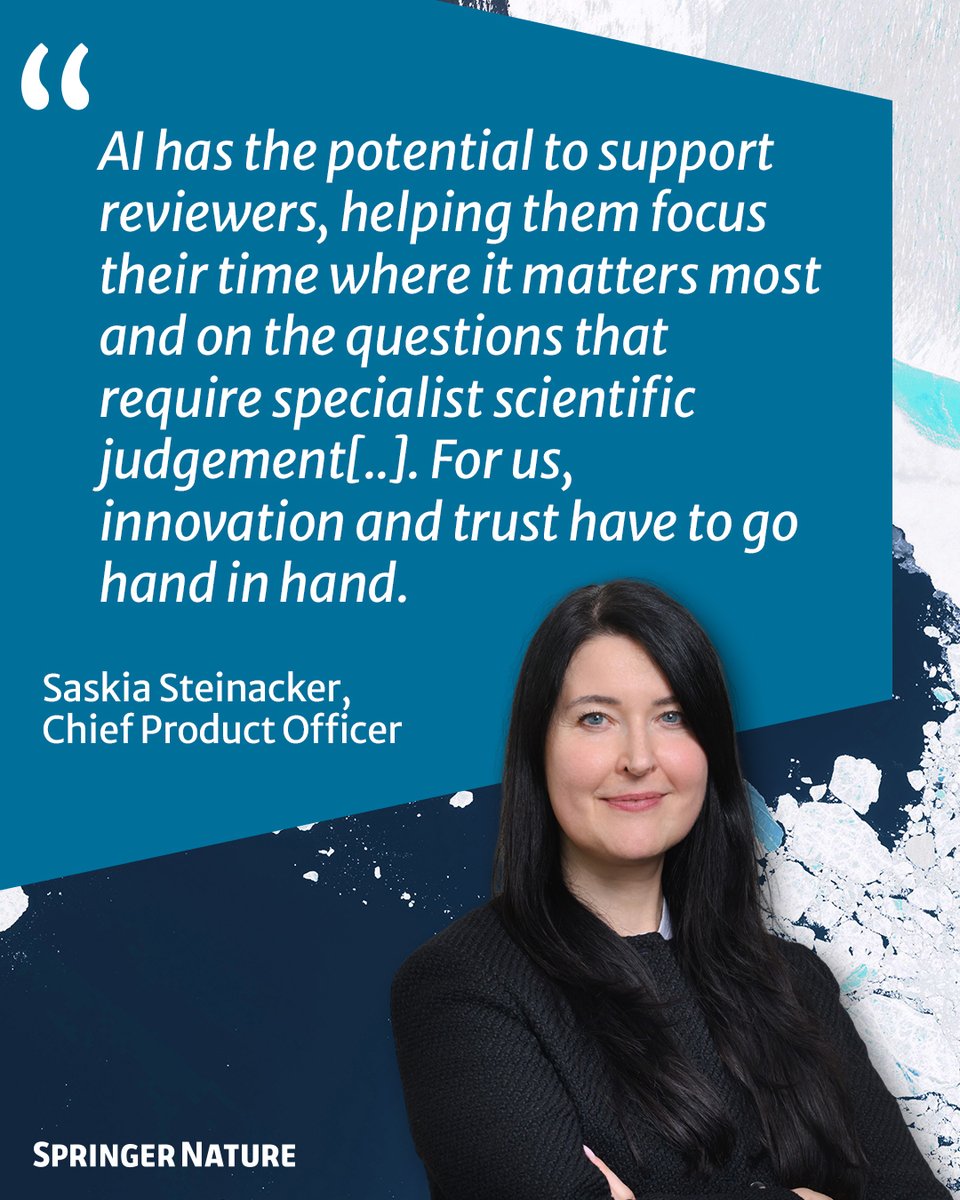
According to Springer Nature chief product officer Saskia Steinacker, the collaboration explores how Gemini powered tools can help peer reviewers navigate lengthy manuscripts, cross check references and methodology sections, and surface technical questions so human experts can focus their time on specialist scientific judgment.
Unlike ad hoc cases where reviewers paste confidential drafts into public chatbots in violation of journal rules, the co designed assistant operates inside Springer Nature's controlled editorial environment.Industry analysts expect concrete adoption milestones to emerge over the coming quarters as initial deployments scale across production environments.
Both organizations emphasized that the assistant will not make automated accept or reject decisions on submitted papers, keeping final editorial accountability with human peer reviewers and academic editors while reducing routine administrative workload.
What to expect next
Academic authors and journal editors will watch pilot trials of the Springer Nature and DeepMind assistant to see how well it catches statistical or methodological flaws without introducing bias or leaking unpublished manuscripts.Industry analysts expect concrete adoption milestones to emerge over the coming quarters as initial deployments scale across production environments. Other major scientific and medical journal publishers will closely monitor researcher feedback from the Springer Nature pilot as the academic community debates formal standards for AI assistance inside peer review.