OpenAI, With AMD, Reports Up to 14% PPA Gains on Flagship GPU IP and Improves Jalapeño

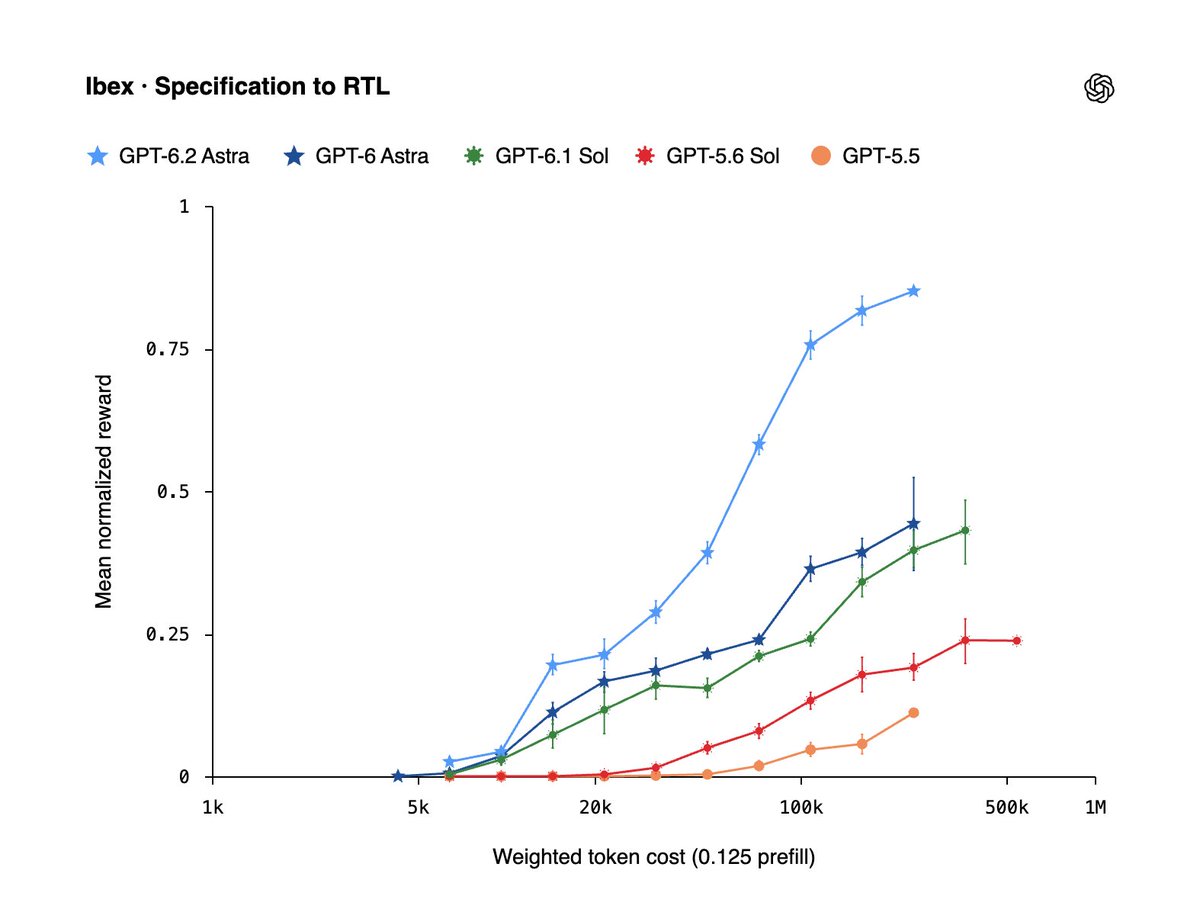
Working with @AMD, our models identified up to 14% PPA improvement on flagship GPU IP in less than five months—building on designs AMD’s engineers had already spent years optimizing. The same approach helped improve Jalapeño, our first custom inference chip, with gains verified on real silicon. New evaluations also show our models getting better at certain chip design tasks. We’re sharing these results and how we’re working with @Synopsys to bring our model capabilities and their trusted EDA design and validation tools to more chip designers.



Context
An official note that OpenAI models are already changing AMD GPU designs, and that its first custom inference chip has verified gains on real silicon, is a concrete shift in how chips get built.
OpenAI posted that, working with AMD, its models identified up to 14% PPA improvement on flagship GPU IP in less than five months, on designs AMD engineers had already spent years optimizing. The same post said the approach helped improve Jalapeño, OpenAI's first custom inference chip, with gains verified on real silicon, and that new evaluations show the models getting better at certain chip design tasks. OpenAI also said it is working with Synopsys to bring those model capabilities and Synopsys EDA tools to more chip designers, and linked a company page.
Deep dive
OpenAI's official account said that, working with AMD, its models identified up to 14% PPA improvement on flagship GPU IP in less than five months, building on designs AMD's engineers had already spent years optimizing. PPA is a standard chip score covering power, performance, and area. The 'up to 14%' figure, the five month timeline, and the claim that this was on already optimized flagship IP are OpenAI's own results, not an independent audit.
The same post said the same approach helped improve Jalapeño, which OpenAI called its first custom inference chip, with gains verified on real silicon. That is the most important hardware claim in the note: a first party custom chip exists, and OpenAI says the gains were checked on actual silicon, not only in simulation. The post does not give Jalapeño's process node, performance, power, or a ship date.
OpenAI added that new evaluations show its models getting better at certain chip design tasks, and that it is sharing the results and working with Synopsys to bring the model capabilities and Synopsys's EDA design and validation tools to more chip designers. Those evaluation gains are not itemized in the post text. The linked company page is the place for a longer official writeup.
This is a first hand lab announcement, not a leak. It should be read as OpenAI's account of work with AMD and Synopsys, plus a first custom inference chip with silicon verified gains, not as a full Jalapeño launch.
What to expect next
The OpenAI page, or a later AMD or Synopsys post, should add which GPU IP was improved, how the 14% was measured, and what Jalapeño actually ships. Watch for independent chip designers repeating the PPA result with the promised tools. If OpenAI later names a foundry, a date, or a product that uses Jalapeño, that belongs in a follow up. Until those details appear, the custom chip claim stays tied to the verified silicon line in this post.